
Dry ends, limp sections, and frizz that won’t cooperate often signal damage, but that doesn’t mean your curls are beyond repair. Daily habits like aggressive brushing, frequent heat styling, and chemical treatments can disrupt the curl’s natural structure, especially when a hair routine doesn’t align with a specific curl type. At The Curl Ambassadors, we often see clients walk in worried they’ve lost their curl pattern for good. Most of the time, the curls just need the right recovery plan.
Fixing damaged curly hair starts with identifying the root cause, then adjusting care to support the curl’s bounce, definition, and hydration level. In this guide, experts from our curly hair salons share what works for repairing damaged curly hair without sacrificing the texture you love.
Know Your Curl Type and What It Needs
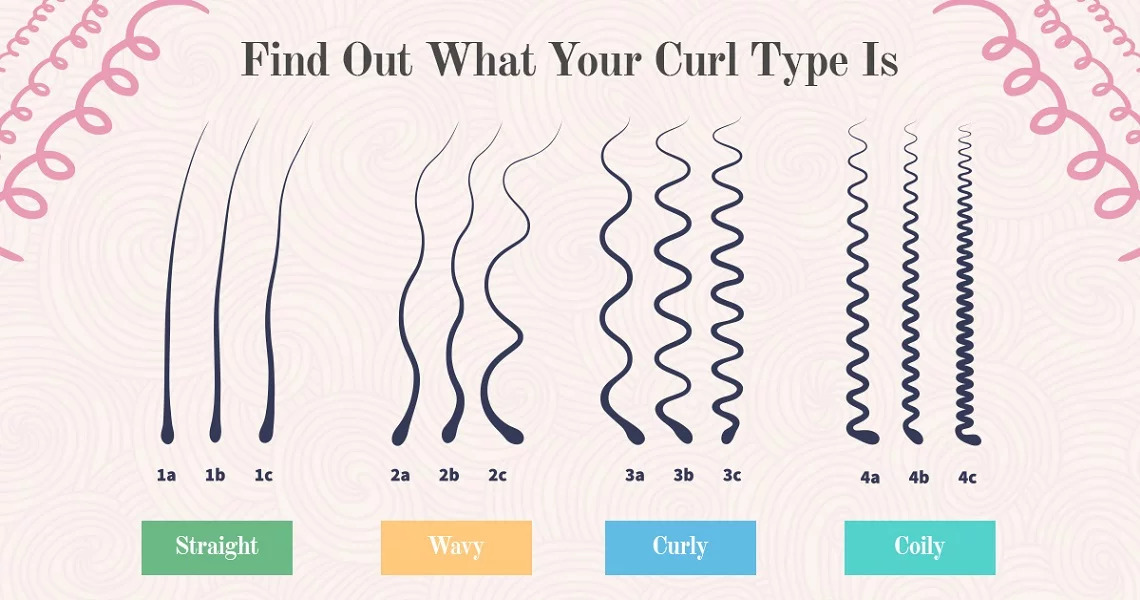
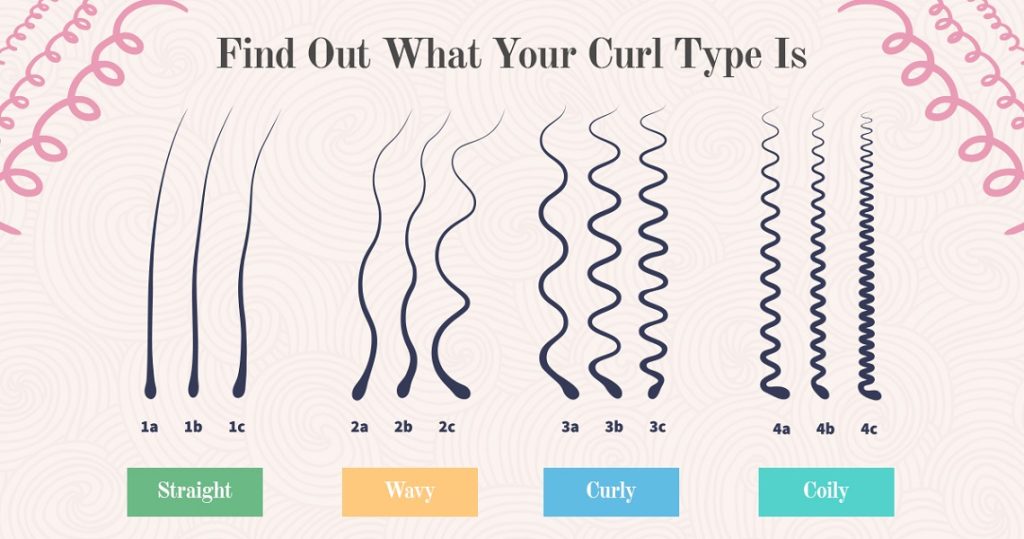
Curly hair damage doesn’t look the same for everyone. Texture, density, and curl pattern all influence how breakage, dryness, or frizz shows up, and how it should be addressed. An effective recovery plan starts with understanding your hair’s unique structure.
At The Curl Ambassadors, we guide clients through identifying their curly hair types, whether they have soft 2C waves or tight 4B coils. Our classification system focuses on how curls clump, coil, and respond to moisture and product. This makes it easier to avoid common mistakes like over-moisturizing low-density hair or under-conditioning tightly coiled textures.
Each curl type has different needs when it comes to protein balance, hydration, and buildup management. A one-size-fits-all routine won’t rebuild strength or revive shape where the curl pattern has shifted due to heat or chemical damage.
A professional assessment helps clarify what your hair is missing, and more importantly, what it doesn’t need. Starting with the right foundation allows treatments to target the root cause of damage, not just the symptoms.
Step 1: Clarify and Detox Gently
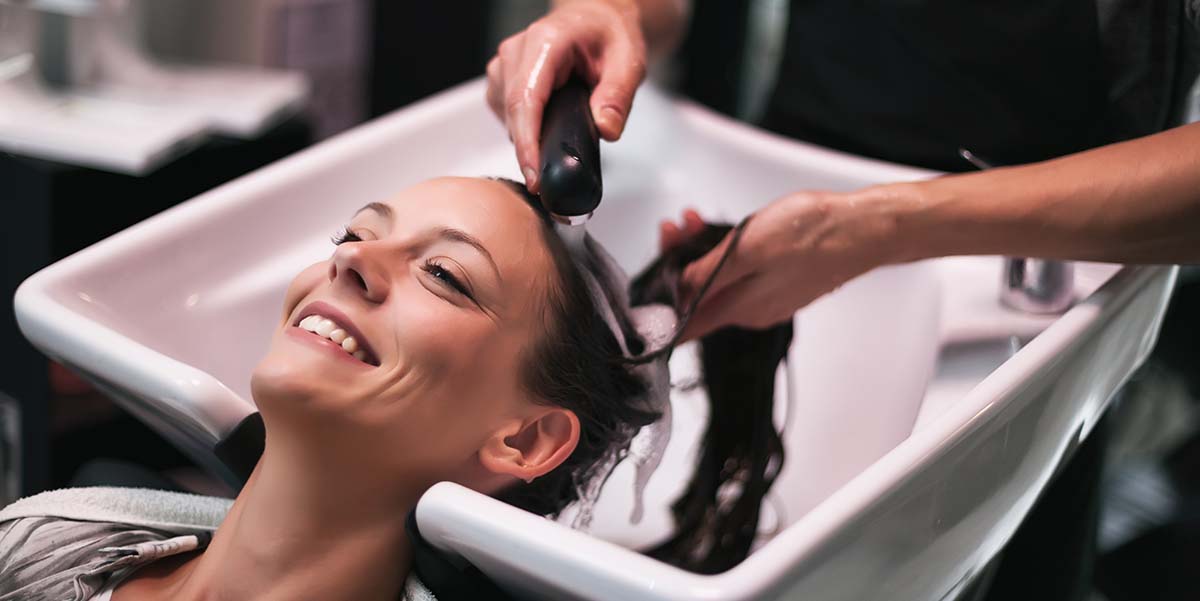
Curls often lose their shape or bounce due to buildup—not just from styling products, but also from hard water minerals and daily environmental exposure. Over time, this residue weighs hair down, dulls definition, and interferes with how treatments absorb into the hair. Before addressing damage, it’s important to start with a clean foundation.
A gentle detox allows the hair to reset without stripping away the natural oils that curls depend on. Harsh clarifiers or over-washing can worsen dryness and make fragile areas more prone to breakage. That’s why we recommend starting with a clarifying treatment designed specifically for textured hair.
Our in-salon curly hair treatments include a curl-safe clarifier that lifts away buildup while preserving moisture balance. The formula preps the cuticle to better absorb hydration and strengthens the foundation for repair. It’s an essential step before reintroducing protein or moisture masks, especially for hair that feels coated, flat, or unresponsive to deep conditioners.
Step 2: Hydrate Curls with a Balanced Repair Routine
Curly hair loses hydration faster than straight textures due to its raised cuticle layers and spiral structure. This makes moisture retention a central focus of any dry damaged curly hair treatment.
However, hydration alone doesn’t restore curl integrity. Hair also needs the right balance of moisture and protein to stay resilient. Too much moisture with too little protein causes limp, over-soft curls that stretch without bouncing back. Too much protein without enough hydration leads to stiffness, dryness, and snapping. Finding that balance depends on your curl type, damage level, and porosity.
Our curl specialists use simple in-salon indicators to assess what your hair needs. A quick elasticity test, like stretching a wet strand and watching how it responds, can reveal moisture or protein deficiency. Porosity checks, like how fast hair absorbs water or product, also help guide treatment.
To restore hydration levels, consider weekly or biweekly deep conditioning routines used alongside steam or heat caps. These methods temporarily lift the hair cuticle, allowing moisture and nutrients to reach the cortex more effectively. When curls feel stiff, dry, or undefined, a moisture-rich mask improves softness and bounce. If strands stretch excessively or feel fragile, a protein-based treatment helps rebuild structure and prevent further breakage.
Step 3: Strengthen and Restore Curl Memory
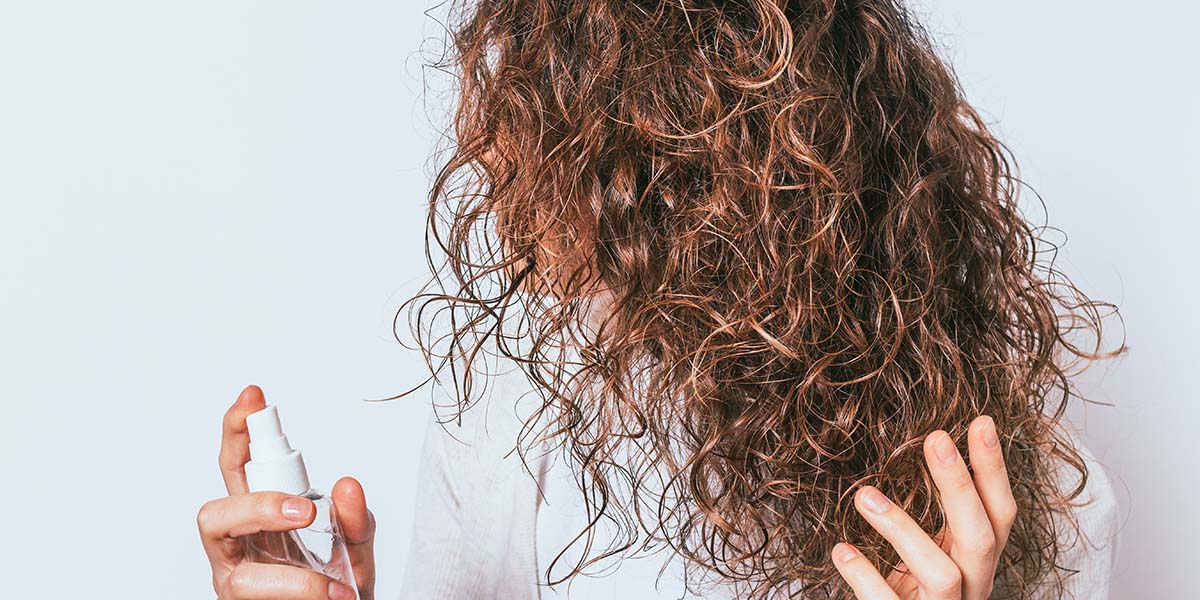
Once hydration is balanced, the next step focuses on reinforcing structure. Curly hair that stretches too easily or lacks definition often signals weakened bonds, especially after heat styling, chemical processing, or frequent manipulation. Without structural support, curls lose shape even when moisture levels are adequate.
Bond-repair masks and protein-infused treatments help rebuild this internal support system. Ingredients like hydrolyzed keratin, rice protein, and amino acids target areas of breakage without stiffening or weighing curls down. Apply these treatments weekly, alternating with moisture-focused masks if your hair needs both.
Curl revival sprays can also improve pattern retention between wash days. Choose a lightweight, protein-friendly formula that enhances shape without causing buildup. This works especially well on hair that’s beginning to recover but still struggles with curl memory.
Protective styling also plays a key role in minimizing ongoing stress. Loose buns, silk wraps, or low-manipulation styles keep the cuticle sealed and reduce mechanical wear. These techniques are especially useful during active repair periods when strands are more vulnerable to breakage.
Step 4: Address Heat Damage
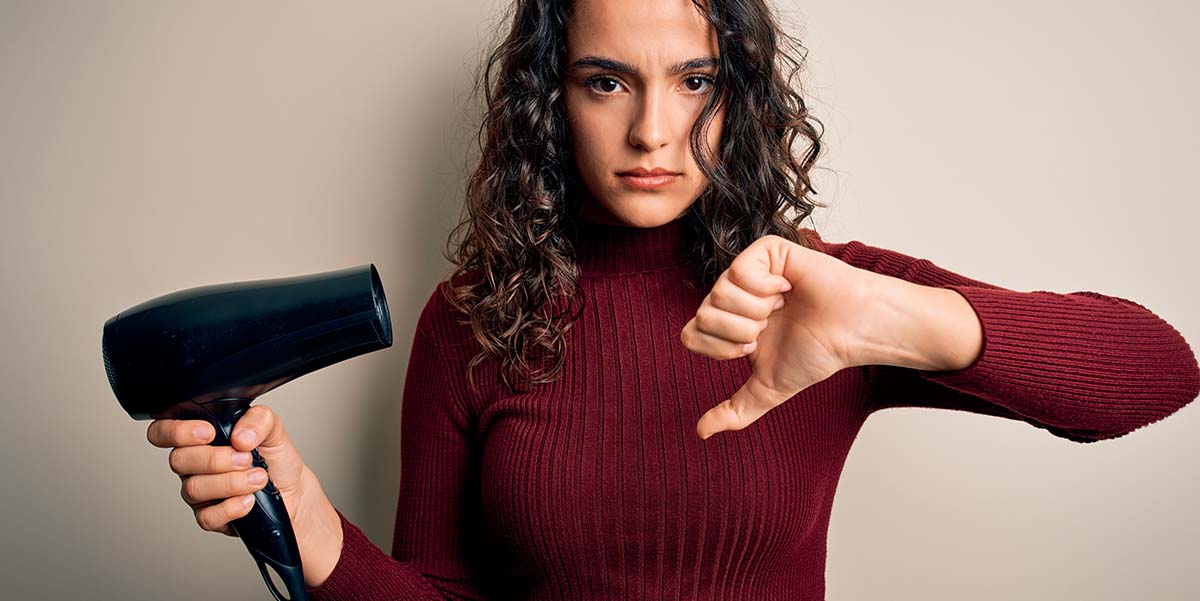
Heat damage remains one of the most frequent concerns we hear about in the salon. Whether it comes from flat irons, blow dryers, or hot brushes, sustained high heat can weaken curl bonds and leave some sections limp or straight. While cutting used to be the default solution, it’s not the only option for recovering curl health.
Curl training offers a non-invasive approach to reintroduce definition. Techniques include finger-coiling, rod sets, or twist-outs that encourage uniform curl formation. These methods work best on hair that still holds some elasticity but lacks a consistent pattern. Over time, curl memory can improve through repetition and the right supporting products.
Strategic trimming supports this process without requiring a full chop. Focused snips target only the most compromised ends while preserving overall shape and volume. Spacing out trims across several appointments allows recovery while keeping the length you’ve worked hard to grow.
In our salons, we assess the full extent of heat damage before making recommendations. Some clients benefit from strengthening treatments first, while others need hydration rebalancing before curl training can begin. At our curly hair salon, we create personalized regrowth plans that focus on repairing damage while helping you maintain your length and shape.
Long-Term Strategies to Break the Damage Cycle
Once hair begins rebuilding curl strength and restoring shape, the next challenge is maintaining those results. Many people reach out to us asking how to fix their curly hair after repeated damage from heat, dryness, or daily styling friction. The solution often lies in small adjustments that protect curls from further stress.
- Sleep with satin or silk: Swap out cotton pillowcases for satin alternatives, or wear a satin bonnet or scarf. These materials reduce friction while you sleep, helping preserve curl definition and moisture levels.
- Limit heat styling: Air dry your curls whenever possible. If you need to use a blow dryer, attach a diffuser and keep the setting low. Excess heat weakens curl elasticity and can reverse progress made from treatments.
- Rotate in protective styles: If your routine includes stretching or manipulating curls often, alternate with protective styles like loose buns, twists, or pineapples. This helps reduce daily wear on the strands.
- Use curl-friendly products: Stick with sulfate-free shampoos and conditioners designed for curly textures. Layer in moisture-rich leave-ins or styling creams while your hair is damp to help seal hydration without weighing curls down.
- Schedule regular trims: Remove damaged ends every 8 to 12 weeks to prevent splits from spreading up the strand. We often pair trims with strengthening or hydrating treatments to support curl structure and definition.
When to Call the Pros
If you’re unsure why your curls no longer behave the way they used to, or if no amount of deep conditioning seems to help, it may be time for a professional assessment. Our stylists at The Curl Ambassadors specialize in diagnosing curl-specific concerns, from heat-damaged textures to chronic dryness caused by hard water or product buildup.
We tailor repair plans that start with a detailed curl analysis and scalp check. From there, we build a step-by-step care strategy that addresses both the root causes and visible symptoms. Many clients are surprised to find that small professional adjustments—whether in product layering, hydration timing, or trimming technique—can reset progress and bring curl definition back. Consistency helps, but starting with the right foundation makes all the difference.
Restore Curl Health With the Curl Ambassadors
Curl recovery takes time, especially when damage comes from heat, over-manipulation, or moisture imbalance. Getting your texture back on track means addressing each layer of stress with targeted care, starting with buildup removal, then reintroducing hydration and strength in balance.
Consistency is key, but so is working with someone who understands curl behaviour. If you’re dealing with uneven texture, breakage, or definition loss that’s hard to correct at home, a trained curl specialist can help you figure out what’s missing. Feel free to book a consultation with us if your curls need a reset. At The Curl Ambassadors, we help clients identify root causes of damage and guide them through practical, curl-safe recovery plans.