Styling curly hair often feels experimental. One wash day gives you perfect definition, the next leaves you wondering what went wrong. What many people don’t realize is that there is a significant difference between styling your hair while it’s damp and styling it while it’s soaking wet.
That difference in moisture level changes how your products absorb, how your curls group together, and how much volume you end up with once your hair dries. Many people focus on switching creams or gels, when in reality, the issue often comes down to timing.
In this blog, we’ll answer the question many curl clients ask: Is it better to style curly hair wet or damp? More importantly, we’ll explain why the right choice depends on your curl type, porosity, and styling goals.
What Is The Difference Between Wet And Damp Hair?
The words “wet” and “damp” may sound synonymous, and some people may also use these two terms interchangeably, but in curly hair care, the difference is more significant than it appears.
Wet hair is fully saturated and often still dripping, with water coating every strand from root to tip. When you squeeze wet hair, you’ll see water run down your hand or drip onto the floor. At this stage, curls are heavier and more elongated because they are holding as much moisture as possible.
On the other hand, damp hair feels moist, but no longer releases water when squeezed. It still feels hydrated, but the strands are lighter, allowing the natural curl pattern to begin forming before products are applied.
Is It Better to Style Curly Hair Wet or Damp?
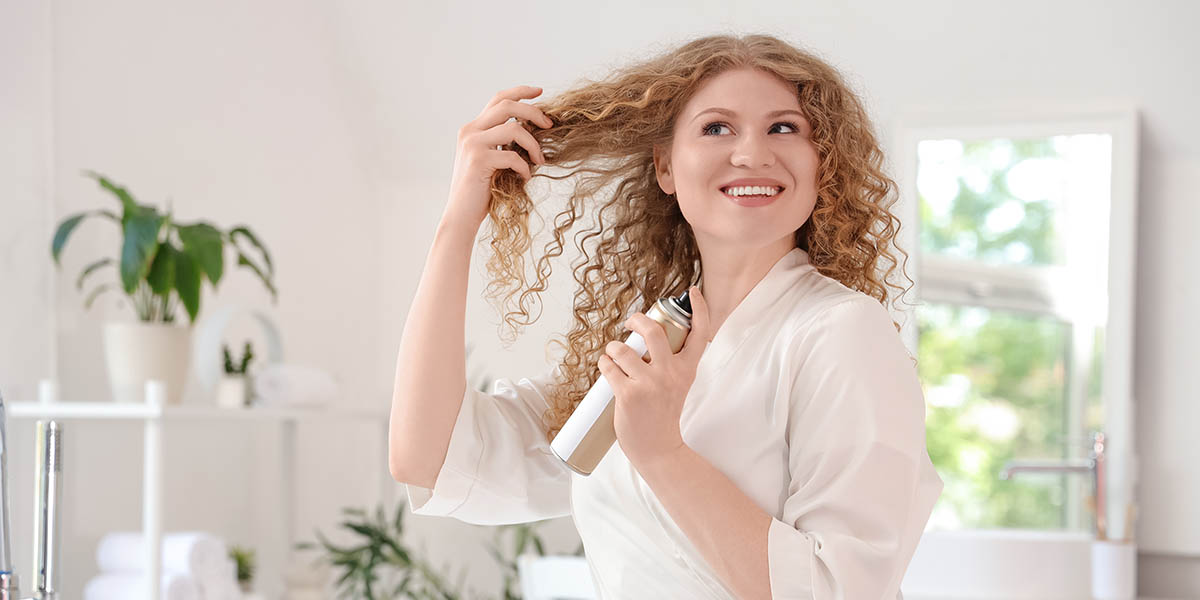
Generally, both wet and damp styling can work well. But the right choice comes down to what your hair needs and how you want it to look once it dries.
Styling Wet Hair
Styling on soaking wet hair means applying your leave-in, cream, or gel while your strands are still fully saturated. This usually happens right after rinsing out conditioner, before towel blotting. At this stage, the hair is pliable, elongated by water weight, and primed for even product distribution.
Because the strands are completely coated in moisture, products glide through easily and encourage curls to group together into larger, more defined clumps. This method is often preferred by those who struggle with frizz or inconsistent curl formation.
| Pros of Wet Styling | Cons of Wet Styling |
| Encourages stronger curl clumpingHelps reduce surface frizzSupports even product distributionCan improve definition and longevity | Longer drying timeCan reduce overall volumeMay increase shrinkage in tighter curl patternsCan feel messy if not done before getting dressed |
Styling Damp Hair
With damp styling, you remove the extra water first, either by scrunching with a towel or letting your hair air dry for a few minutes. Your curls are still hydrated, just not soaking. That difference affects how products grip the strands and how the curl pattern sets as it dries.
Since the hair is no longer weighed down, you often see more body at the roots and a looser, more natural movement.
| Pros of Damp Styling | Cons of Damp Styling |
| Encourages more volumeFaster drying timeEasier to control product placementOften creates a lighter, more flexible finish | May produce smaller clumpsCan increase frizz if hair is highly porousRequires more attention to even distribution |
In addition to your hair goals, knowing your curl type can also help you effectively choose between damp styling and wet styling.
Wet vs Damp Styling Curly Hair — Which Is Better for Your Curl Type?
Different curls need different approaches. Your curl pattern, density, and porosity all influence how your hair reacts to moisture. Once you understand how these factors work together, deciding between wet styling vs damp styling becomes a thoughtful choice rather than a guessing game. Here’s a helpful breakdown based on The Curl Ambassadors’ texture categories.
2A–3A Wavy Hair
Best Approach: Damp Hair Styling
Wavy hair tends to be more easily weighed down than tighter curl patterns, especially when too much water or product is used. If you style waves while they are soaking wet, the added weight can stretch out the pattern and reduce volume once dry.
Blotting out extra water before styling often helps waves look more defined while also reducing drying time. Because the hair is not weighed down, it can move and form more freely. That said, if your waves are thicker, coarse, or prone to frizz, applying product while the hair is wet will help create a smoother finish. Pay attention to how your waves behave as they dry. If they fall flat, you may need less water. If they puff up or lose shape, starting a little wetter may help.
3B–3C Curly Hair
Best Approach: Wet Styling
Curly hair in the 3B to 3C range often benefits from styling while the hair is still quite wet. At this stage, the strands are more flexible, which makes it easier to distribute product evenly and encourage consistent curl formation.
Wet styling can help curls clump together, reduce frizz, and create longer-lasting definition. Damp styling can still work if your curls are fine or if you want more volume, but for many 3B and 3C textures, starting with more moisture provides better control.
4A–4C Super Curly Hair
Best Approach: Wet Styling
Super curly hair thrives on moisture. Because 4A to 4C textures have tighter bends and curves, natural oils have a harder time travelling down the hair shaft. Styling while the hair is fully saturated often helps distribute product more evenly and supports stronger coil grouping.
Applying products to soaking wet hair can reduce surface frizz and encourage more consistent definition as the coils dry. Damp styling can still work, especially if you are aiming for more volume, but many super curly textures benefit from starting with as much hydration as possible.
Low vs High Porosity Hair
Knowing your hair’s porosity can also improve the consistency of your results because it determines how your hair absorbs and holds onto moisture, which directly affects how products perform.
| Low Porosity Hair | High Porosity Hair |
| Best Approach: Damp StylingIf you have low porosity hair, you may notice that water tends to bead up on the surface instead of soaking in right away. Styling on dripping wet hair can sometimes make products feel slippery or ineffective. They may sit on top instead of working into the strands.Blotting out extra water before applying the product may create better results. Damp styling gives you more control, helps prevent buildup, and can lead to a lighter, more natural finish. | Best Approach: Wet StylingIf your hair gets wet quickly in the shower and dries just as fast, you likely have high porosity strands. This type of hair tends to struggle with moisture retention, which can show up as dryness or frizz.Starting your styling routine while your hair is still soaking wet helps lock in hydration before it escapes. Products distribute more evenly at this stage, which can lead to stronger curl grouping and longer-lasting results. |
How to Style Damp Curly Hair
When styling damp curls, the goal is to strike a balance between hydration and lift. Too much water can dilute your products, while too little can lead to uneven distribution. As discussed in the previous sections, damp styling can work well on looser curl patterns and low porosity hair that can easily become weighed down.
To get consistent results:
- Gently squeeze out excess water after rinsing your conditioner.
- Use a microfiber towel or cotton T-shirt to blot, not rub, your curls.
- Apply a lightweight leave-in conditioner if your hair needs extra moisture.
- Distribute your styling cream or gel evenly using your fingers or a wide-tooth comb.
- Scrunch upward to encourage curl formation.
- Air dry or diffuse on low heat for added lift at the roots.
How To Style Wet Curly Hair
Styling on soaking wet hair is ideal when you want maximum definition and smoother clumping. The key is working while your strands are fully saturated, before they begin drying and forming uneven sections.
Here’s how to do it properly:
- After rinsing out your conditioner, keep your hair soaking wet. Do not towel dry yet.
- Gently squeeze out just enough water so it’s not dripping excessively, but still fully saturated.
- Apply a leave-in conditioner first, distributing it evenly from roots to ends.
- Follow with your curl cream or gel while your hair is still wet. Use your fingers to rake or smooth the product through.
- Scrunch upward to encourage curl grouping.
- Allow your hair to air dry or diffuse on low heat without touching it too much.
If frizz forms during drying, avoid adding more product right away. Let your curls set fully before adjusting.
Get Personalized Curl Guidance at The Curl Ambassadors
Choosing between wet and damp styling is less about following a rule and more about understanding your hair. Your curl pattern, porosity, and desired result all influence how your strands respond to moisture. Once you learn how water level affects clumping, volume, and frizz, your routine becomes more intentional and far more consistent.
If you’re tired of experimenting with products and hoping for better results, working with curl specialists can save you time and frustration. At The Curl Ambassadors, we begin our Dry-Cut CurlyTM Method with an in-depth consultation to assess your curl pattern, density, and overall hair condition.
Our team provides specialized dry cutting, styling, and colour services tailored to textured hair, along with practical at-home guidance. Fill out our online form to book an appointment.